I recently found out—purely by chance—that not only was my blood pressure high, it had reached a dangerously critical level. Clinically speaking, I’m fortunate to be alive to share this story.
Thankfully, my guardian angel in real life—my friend Fiona—checked my blood pressure with her home monitor while I was visiting. A quick call to NHS 111 later, I was on my way to A&E at Queen Victoria Hospital.
After spending the night there, I was prescribed medication to lower my BP, and I realised I’d received the help I needed just in time.
The symptoms had begun that morning before I was due to photograph a local networking event. I felt a strange tightness in my chest muscles. I assumed it was from my recent increase in weightlifting.
Chest tightness is also a common sign of stress, and I often experience it when facing work-related pressure or difficult thoughts.
My GP followed up with a diagnosis: my liver produces too much cholesterol, which can clog the arteries. A dietary overhaul was necessary. I was directed to the Heart UK website, which offers clear, accessible guidance on heart-healthy eating.
This was my first real lesson in nutrition. I realised I’d spent most of my life consuming foods that were quietly harming me. A lack of early education had led to years of unhealthy choices.
I began phasing out high-fat foods like biscuits, chocolate, butter, cow’s milk, cakes, and pastries. As I write this, I’m still feeling the cravings—biscuits have always been a personal favorite.
Obvious fast-food culprits like fish and chips and takeaway pizza were the first to go. I started to design a diet higher in fiber and lean protein.
Now in my first month of change, I’ve switched my milk delivery from full-fat to semi-skimmed, then moved on to supermarket cartons of soya, almond, and oat milk. I found oat milk perfect for cereal and coffee, while sweetened soya milk makes a surprisingly delicious coffee creamer. Almond milk wasn’t for me—too watery. Both oat and soya milk are low in saturated fat, and I’ve updated my weekly milk order accordingly.
During this transition, I learned something surprising: cats shouldn’t have oat or soya milk—or even cow’s milk. Adult cats can’t digest lactose, which causes illness and bloating. Like many, I grew up believing cats drink milk. While they enjoy the taste, it’s not good for them, so I’ve cut it from my cat’s diet too. I’m curious to see if it improves his health.
Breakfast now consists of Weetabix or whole meal toast, which I also have for lunch some days. I’ve replaced butter with a plant-based spread like Olivio, which has less saturated fat.
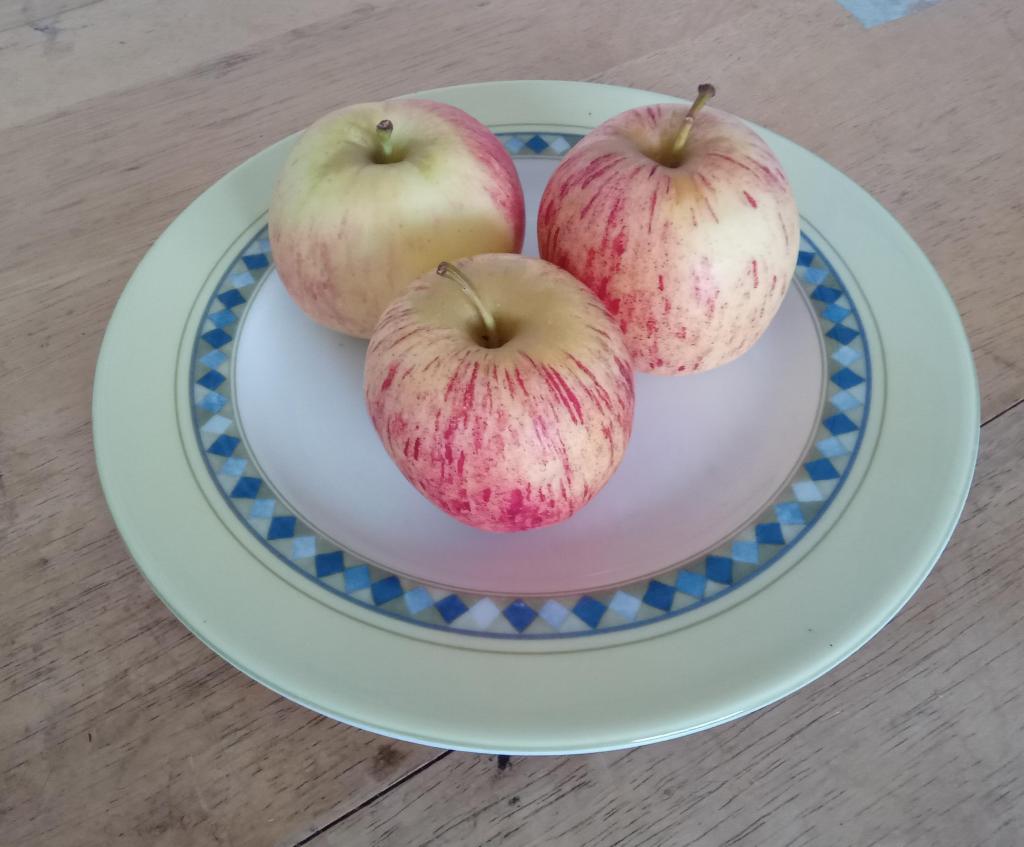
I also make sure to eat fresh fruit daily—royal gala apples are my go-to. For a treat at dinner, I mix orange juice with lemonade. I still enjoy tea and coffee, but I’ve started having herbal teas with honey in the evenings. To my surprise, this has eased my usual heartburn.
Each morning, I practice mindful meditation with a glass of water and a Gregorian chant CD. My blood pressure has almost returned to safe levels, though that’s likely also due to my medication (Amlodipine).
Learning about healthy eating has transformed my shopping experience. Instead of feeling overwhelmed, I now skip entire aisles, focusing only on what supports my new diet.
I do feel hungrier now that biscuits and cakes are out, especially at the golf club, but it’s a cleaner, healthier kind of hunger. It feels like my body is cleansing itself with fiber, and my daily BP readings are showing steady improvement.
I’m not a cook by any means, but I want to share some simple low-cholesterol meals that have worked for me:
Cock-a-leekie Soup
Health Benefits: A warming chicken soup can help ease cold symptoms, support immunity, and reduce inflammation.
With a slow cooker, it’s easy to make your own. Use a couple of chicken legs, broth mix (soaked overnight), celery, carrots, noodles, and stock cubes. Cook on low for 12 hours, then store in tubs and freeze.
Corn on the Cob
Health Benefits: Packed with insoluble fibre, B vitamins, and minerals like zinc and magnesium. Its low glycaemic index means stable energy levels.
My favourite quick meal. Halve a cob, boil with a pinch of salt for 10 minutes, and enjoy. You can add olive spread or eat it plain—delicious either way.
Broccoli
Health Benefits: High in fibre and antioxidants, broccoli supports heart health and may prevent arterial plaque buildup.
Boil for about 10 minutes, strain, and serve as a starter or side dish. Quick, easy, and effective.
Avocado
Health Benefits: Rich in healthy fats, fibre, and nutrients. Great for heart and digestive health.
No cooking required—slice open, remove the seed, splash with lemon juice, and eat.
My Handy Food Guide:
To Avoid:
Fish & chips, pizza, dairy products, biscuits, milk chocolate, white bread, garlic bread, butter, full-fat milk, pastries, scones, shortbread.
To Enjoy:
Jacket potatoes, avocados, Quorn, plant-based alternatives, rice, mushrooms, Weetabix, porridge, soup, oat/soya milk, fibre-rich cereal bars, oatcakes, salmon.
Despite this new routine, I’m keeping Camembert on my list—some things are too good to give up. It pairs beautifully with coffee.
Overall, changing my diet has shortened my shopping time, reduced my blood pressure, and set me on a healthier path for the long term.
 Online Mindful Relaxation classes for Calm Focus and Better Sleep
Leave a comment